2120
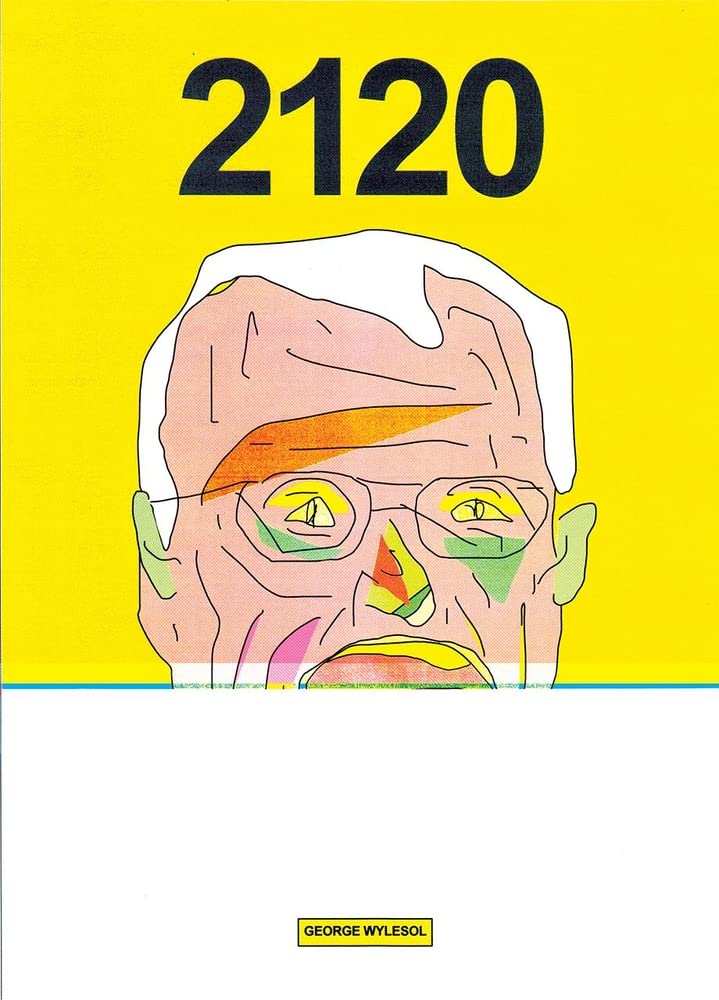
2120 by George Wylesol (2022)
You’re Wade, a schlubby middle-aged computer repairman, sent to fix a computer in a vacant, nondescript office building. When you get inside the door locks behind you, and you can’t get out. Now the adventure begins! You have to explore this building and try to find your way home. The building is huge on the inside with a lot of sprawling hallways and empty rooms, and your only hope is to uncover clues and try to work out the mystery this whole experience hangs on.
Presented as a blend of classic ‘choose your own adventure’ stories and point-and-click escape games, 2120 offers readers the chance to explore these liminal spaces and, at the same time, take an existential journey of discovery.
I was pretty excited to get into this, because 1) weird book/comic format, 2) weird art, and 3) weird fucking house, à la House of Leaves. This is very much like a video game puzzle in the format of a book, which was charming and fun.
At some points, I found myself thinking, wouldn’t this be better as an actual game?. In a point-and-click video game, making moves is quite frictionless. You can click to examine something, then exit, and all you have to suffer is the animation time. In a 500-page book, every page turn takes time and physical effort.
But there’s some charm inherent to the format of a book as well. I would flip to pages and try not to see what was on the opposite page of the spread, in case of—gasp!—spoilers. But this is kind of an fool’s errand, since the very act of flipping through a book in search of a particular page means you see glimpses of what’s in the rest of it, which is actually I suppose an intrinsic part of the 2120 experience: seeing something you shouldn’t have. There’s always weird stuff lurking in the corners, and you feel that quite literally when you see something on a page you haven’t yet arrived at.
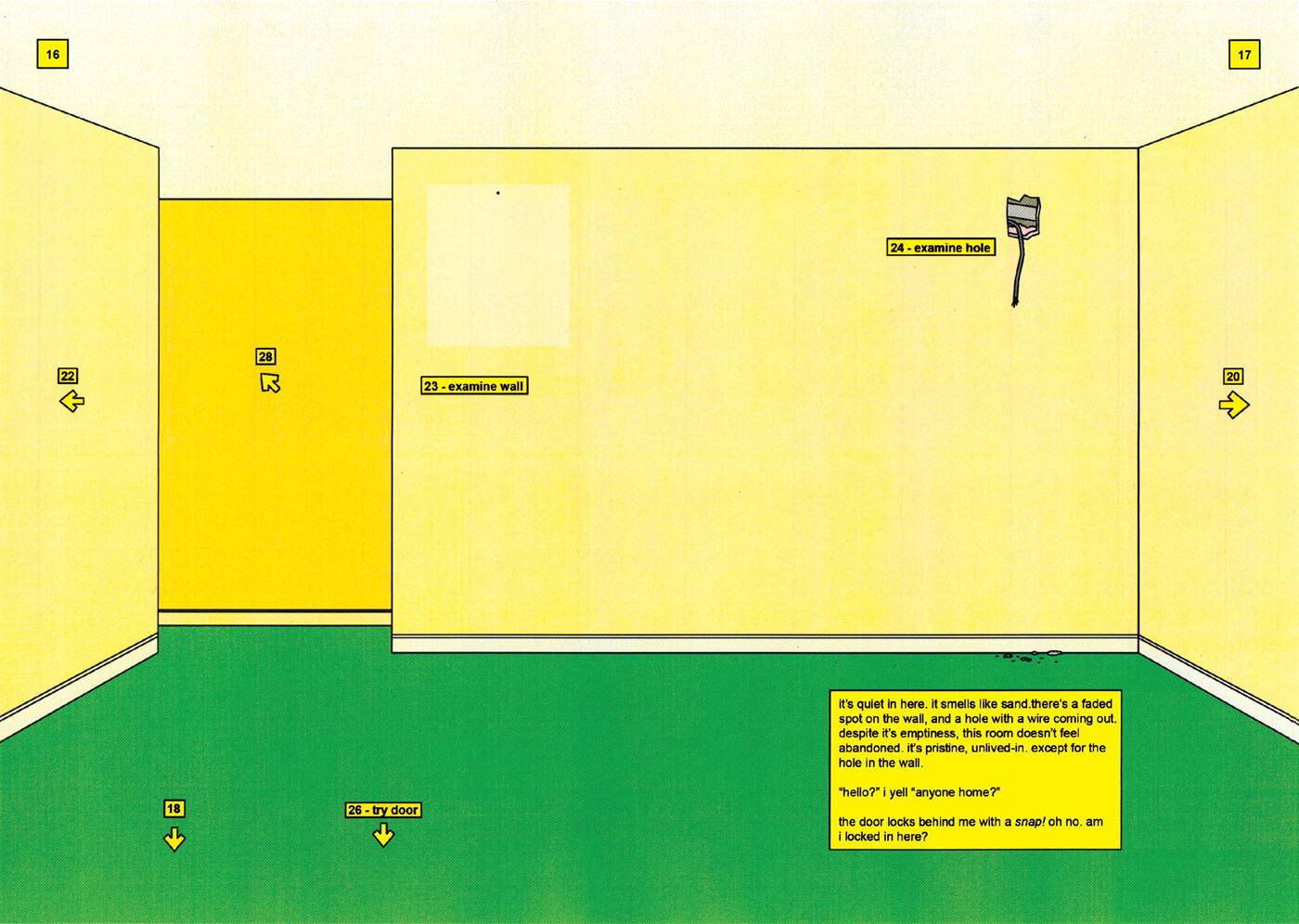
And then there’s the sense of scale, too, with a physical book. It feels like an endless labyrinth of pages.
I knew this involved puzzles, so I treated it like how I played Blue Prince: taking copious notes of everything that seemed notable. I filled six pages of notes—it seemed fitting to do it by hand, for a physical book. Much of it came in use! With notes, the puzzles were quite straightforward. It was fun to flip through my notes and find the numbers or codes I needed.
Lastly, the art is delightfully weird. It occasionally veered into horror, which I actually wish there was more of. What a fun experience to flip to a new page and get surprised by something grotesque!!
I’m excited to read Wylesol’s other works, particularly Internet Crusader:
George Wylesol’s new graphic novel tells the story of a doomsday cult and a fight against the literal devil, using collages of ‘90s chat windows, computer games and other forms of early web design as his canvas.
yeah ok!!! i love comics!!!